
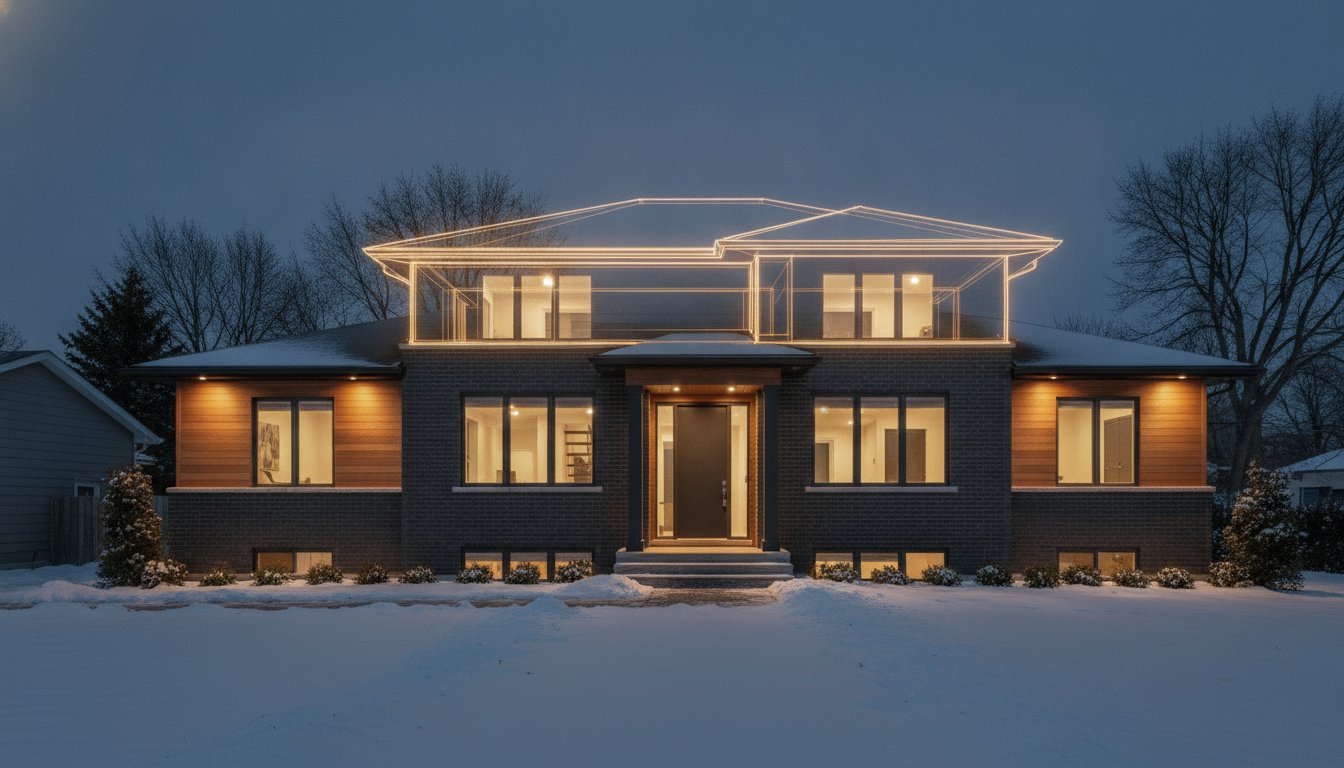
A second story addition is far more than a simple expansion of square footage; it is a sophisticated evolution of your home’s soul that requires a rare fusion of engineering grit and architectural elegance. You likely realize that your property holds untapped potential, yet the fear of foundation settling or the anxiety of navigating complex building permits can feel like an insurmountable barrier. This second story addition planning guide serves as your visionary partner, offering the technical authority and creative foresight needed to transform your residence into a multi-level masterpiece.
We understand that a significant investment demands an uncompromising commitment to quality and ethical accountability. You deserve a roadmap that addresses the grit of structural integrity while honouring the sophisticated design of your neighbourhood. This guide explores the essential phases of vertical growth, from assessing your home’s load-bearing capacity under the 2024 International Residential Code to managing a seamless construction process that respects your daily life. By the end, you will possess a clear strategy to elevate your living space and realize the enduring value of a home designed for the future.
Key Takeaways
- Understand the imperative of a meticulous structural assessment to confirm your foundation and soil stability can safely bear the load of a vertical expansion.
- Embrace the “Invisible Addition” philosophy to achieve a seamless aesthetic where new exterior finishes perfectly mirror the original character of your home.
- Use this second story addition planning guide to navigate the intricate framework of Canadian building permits and zoning bylaws with professional precision.
- Account for the essential infrastructure upgrades, such as HVAC and electrical panel expansions, that are critical for maintaining high-end functional performance.
- Realize the benefits of a visionary design-build partnership that integrates architectural design and project management for a cohesive, stress-free transformation.
Assessing Structural Feasibility: Can Your Foundation Support a Second Storey?
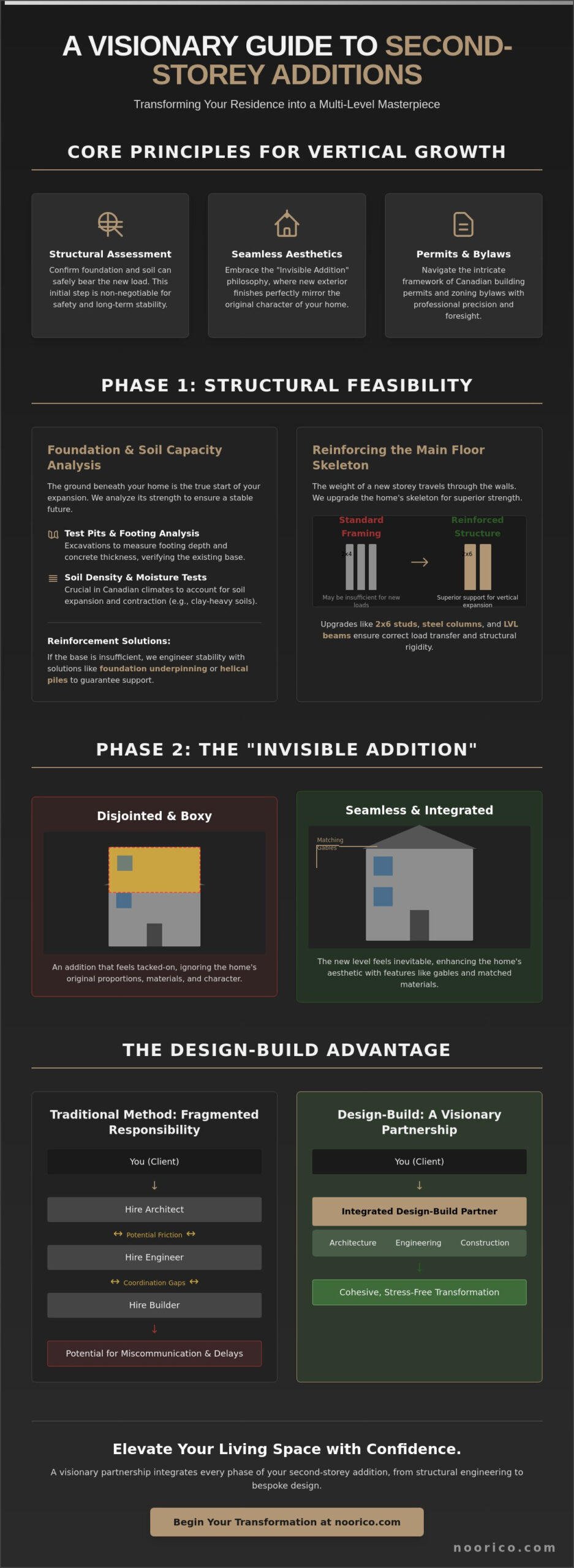
The structural integrity of your home is the silent foundation of every architectural ambition. Before the first sketch of your vision is drafted, a meticulous structural assessment must be conducted to ensure your existing residence can bear the weight of a vertical transformation. This phase of a renovation is where engineering precision meets long-term peace of mind. It isn’t merely about checking a box for building permits; it’s about safeguarding your family’s investment against the risks of foundation settling or catastrophic failure. Every second story addition planning guide should emphasize that a professional structural engineer is your most critical partner during this initial stage. They provide the technical clarity required to move from abstract concept to safe construction. By identifying load-bearing walls and their role in vertical weight distribution, these experts ensure that your home’s skeletal structure remains uncompromised as we build upward.
Foundation and Soil Capacity Analysis
Footings are the invisible anchors of your home. To realize if they can handle the doubled weight of a new level, we often perform “test pits” to measure concrete thickness and depth. Soil density and moisture levels are equally vital. In many Canadian regions, clay-heavy soils expand and contract, which can lead to structural shifting if not accounted for. If the current base is insufficient for your vision, foundation underpinning or helical piles offer a path to stability. These solutions reinforce the ground beneath you, ensuring your home remains a steady sanctuary for decades. This uncompromising commitment to the final product begins underground, where the true strength of your expansion is forged.
Reinforcing the Main Floor Skeleton
The weight of a new storey doesn’t just sit on the foundation; it travels through the walls. Upgrading existing 2×4 wall studs to 2×6 or introducing strategically placed steel columns provides the superior support necessary for vertical expansion. We often utilize Laminated Veneer Lumber (LVL) beams to create expansive, open-concept main floors while maintaining structural rigidity. These high-performance components ensure that “point loads”, the specific areas where concentrated weight descends from the new roof, are correctly transferred to the ground. This methodical approach prevents sagging and preserves the architectural fidelity of your entire residence. It’s a process that balances the grit of heavy construction with the elegance of modern engineering.
Designing for Continuity: Achieving Architectural Harmony
True architectural excellence is measured by what you don’t see. A successful vertical expansion feels inevitable, as if the home was always intended to reach its new height. This “Invisible Addition” philosophy is a cornerstone of any high-end second story addition planning guide, ensuring the new level isn’t a mere attachment but a seamless extension of the home’s original soul. Achieving this requires a sophisticated understanding of scale and a persistent dedication to matching the rhythm of the existing structure. When the proportions are correct, the addition doesn’t just add space; it enhances the entire aesthetic narrative of the property.
Sourcing materials that mirror decades-old brick or specialized stone is a task for a visionary partner. We often look to historical archives or specialized suppliers to find identical textures and colour profiles that have aged naturally. While federal home improvement resources offer broad guidance on consumer protection and financing for major builds, the nuance of architectural continuity depends on the precise execution of these aesthetic details. It is the difference between a house that looks renovated and a home that looks evolved. Strategic window placement is another vital component; we maximize natural light through high-performance glazing while carefully angling views to respect the privacy of your neighbours.
Bespoke Exterior Integration
To avoid the “boxy” silhouette common in lesser expansions, we integrate architectural features like gables or dormers. These elements break up the vertical mass and provide visual interest that aligns with your neighbourhood’s specific character. Maintaining roofline proportions is essential for rhythmic balance. The pitch and overhang of the new roof must respect the original design language to ensure the front facade retains its sophisticated curb appeal. If you are ready to explore how these designs can be tailored to your specific lot, our team’s expertise in architectural design ensures a result that elevates your property’s value.
Optimizing the Interior Layout and Flow
Interior harmony is just as critical as the facade. Centring the staircase is a strategic decision that dictates the logic of the entire floor plan. It should feel like a natural progression rather than a forced detour. We prioritize aspirational ceiling heights on the second floor to create an airy, light-filled atmosphere that distinguishes the new space from the original levels. Whether drafting a master suite or a multi-functional wellness room, the goal is a layout that enhances daily function while maintaining a sophisticated aesthetic. This methodical approach to flow ensures that the transition between levels is both intuitive and elegant.
Navigating the Planning and Permitting Framework
Building upward requires more than just structural strength; it demands a sophisticated mastery of municipal law and regulatory compliance. This second story addition planning guide provides the clarity needed to navigate the often-complex hierarchy of Canadian building permits and local zoning bylaws. Your architectural design must align with the Ontario Building Code from the very first day. This persistent dedication to compliance ensures that your visionary project moves smoothly through the approval pipeline without costly delays. While specific requirements vary by municipality, the general principles of Navigating the Planning and Permitting Framework involve rigorous site plan reviews and safety inspections. Our firm manages the municipal submission to ensure your project remains on schedule and within legal boundaries. If your project exceeds standard density or height, the Committee of Adjustment becomes an essential forum. We act as your advocate, presenting a principled case for minor variances that preserve the integrity of your design while respecting community standards.
Zoning Bylaws and Height Restrictions
Realizing the impact of “setback” requirements is vital for defining your second-storey footprint. These regulations dictate how far your structure must be from property lines to maintain neighbourhood safety and aesthetics. We meticulously navigate height limits to ensure your visionary design remains within legal boundaries while maximizing your vertical space. Addressing “shadowing” concerns is equally critical. In dense urban environments, the impact of your addition on the sunlight of adjacent properties is a significant factor in the approval process. We utilize precise shadow studies to demonstrate that your expansion respects the light and privacy of your neighbours.
The Step-by-Step Permit Acquisition Process
- Step 1: Meticulous Drafting – We begin with the high-precision drafting of architectural and structural plans. These documents serve as the definitive blueprint for municipal review, detailing every engineering solution and material choice.
- Step 2: Municipal Engagement – We engage with municipal planners early in the process to realize potential roadblocks. This proactive approach allows us to refine the design before formal submission, reducing the likelihood of revisions.
- Step 3: Submission and Response – Our team manages the formal submission and maintains a steady dialogue with building officials. We respond to requests for additional documentation with the professional grit required to secure your final approval.
Managing the timeline from the initial application to the final inspection requires a rhythmic and organized approach. Each milestone in the permitting process is a step toward the practical implementation of your dream. By handling the complexities of the regulatory framework, we allow you to focus on the aspirational aspects of your home’s transformation. This methodical path ensures that your significant investment is protected by a solid foundation of legal and ethical accountability.
Investment and ROI: Budgeting for a High-End Addition
Elevating your residence is a strategic financial decision that often yields a superior return on investment compared to the friction of moving. While purchasing a larger property involves land transfer taxes and commission fees, investing in your current lot focuses capital directly into the asset’s value. This second story addition planning guide highlights that high-end finishes and superior architectural design are the primary drivers of final property valuation. A well-executed vertical expansion doesn’t just add rooms; it redefines the market position of your home. By leveraging your existing land, you bypass the volatility of the real estate market and create a bespoke environment tailored to your lifestyle. The financial benefit is found in the intersection of increased square footage and the sophisticated elegance of a modern, multi-level layout.
Beyond the visible structure, the “hidden costs” of a second storey reside in the essential infrastructure of the main floor. Expanding your living space necessitates a matching expansion of your home’s internal systems. An electrical panel expansion is often required to handle the increased load of a modern upper level, while plumbing stacks must be meticulously rerouted. Industry professionals recommend allocating a robust contingency fund to address unforeseen structural reinforcements discovered during the demolition of older walls. This persistent dedication to infrastructure ensures that your new level operates as flawlessly as the original home. High-end interior styling and precision finishes further influence the final valuation, turning a standard renovation into a high-value asset.
Calculating the Real Cost of Expansion
The true cost of expansion includes the logistical realities of a major build. If the scope of work renders the home uninhabitable, homeowners must factor in the cost of a temporary relocation to maintain their daily routine. Upgrading the HVAC system is a non-negotiable requirement to ensure consistent thermoregulation and air quality across both floors. A fixed-price contract is essential for financial stability in 2026 to protect your investment against fluctuating material costs. For those seeking a transparent and disciplined approach to their budget, our dedicated project management services provide the oversight needed to ensure fiscal accountability.
Value-Add Features That Maximize Resale
Strategic design choices significantly impact resale potential. Prioritizing a primary suite with a bespoke ensuite and a walk-in dressing room creates the luxury sanctuary that high-end buyers expect. Modern convenience also dictates the inclusion of laundry facilities on the second floor, eliminating the need for vertical travel during daily chores. Integrating smart home technology during the “open-wall” phase allows for a cleaner installation of lighting and climate controls. These refinements ensure your home isn’t just larger, but fundamentally more intelligent and functional. By focusing on these high-value attributes, you secure the long-term appreciation of your property.
The Design-Build Advantage: Why a Visionary Partner Matters
Choosing the right execution model is the final, most critical decision in your vertical expansion journey. The traditional “bid-and-build” model often creates a fragmented experience where the architect’s vision and the builder’s reality collide, leading to compromises in architectural fidelity. In contrast, an integrated design-build approach offers a unified path from initial concept to final construction. This second story addition planning guide advocates for a single point of accountability to reduce friction and ensure the sophisticated elegance of your design is never lost in translation. When one visionary partner manages every intersection of industry, finance, and execution, your significant investment is protected by a cohesive and principled strategy. This method replaces the typical grit of construction disputes with the quiet confidence of a masterfully managed project.
A multi-disciplinary guide does more than provide a service; they act as a sophisticated expert through the complex phases of transformation. By categorizing services under one roof, the design-build model ensures that your architectural design, interior design, and project management are all pulling in the same direction. This alignment is what allows a standard residence to evolve into a custom home that feels both grounded and elevated. The transition from abstract values to visual evidence becomes a persuasive narrative arc where your home’s new level is realized with precision and pride. Ultimately, this partnership transforms your current house into your ultimate custom home, ensuring a legacy of quality for decades to come.
Seamless Integration of Design and Execution
Realizing cost efficiencies requires the architect and builder to work in parallel from the earliest drafting stages. This collaboration ensures that every creative achievement is grounded in structural reality and budgetary precision. Incorporating interior design services during the planning phase prevents the last-minute changes that often derail standard residential renovations. Our multi-disciplinary team brings a wealth of strategic industry knowledge to the table, allowing for the seamless integration of aesthetic goals and technical requirements. This synergy ensures that the final product is a faithful and uncompromising realization of your original aspirational vision.
Meticulous Project Management and Accountability
Professional project management is the engine that maintains your construction schedule and protects your peace of mind. We utilize sophisticated scheduling tools to minimize the disruption to your daily life, providing a predictable and reassuring flow to the construction process. Our persistent dedication to quality control ensures that every phase, from the first structural reinforcement to the final interior finish, meets our superlative standards. This methodical approach mirrors our operational philosophy of transparency and ethical accountability. By providing a clear roadmap and consistent communication, we move the reader from inspiration to practical implementation. Ready to elevate your living space? Consult with the visionary experts at NOORICO today.
Realizing Your Home’s Vertical Potential
Transforming your residence through a vertical expansion is a profound undertaking that rewards the principled homeowner with unparalleled functional space and increased property value. As this second story addition planning guide has detailed, success is found at the intersection of engineering grit and architectural elegance. You now understand that verifying structural feasibility is the mandatory first step, while achieving architectural continuity ensures your expansion looks like a timeless masterpiece rather than a modern afterthought. By navigating the permitting framework with precision and budgeting for infrastructure upgrades, you protect your significant investment for the long term.
NOORICO brings over 25 years of established expertise in luxury residential construction to every project we undertake. Our integrated design-build approach provides a seamless architectural transition, while our meticulous project management ensures the highest ethical standards and accountability. We don’t just build additions; we craft enduring professional bonds and superior living environments. Begin your home transformation with a bespoke NOORICO consultation today. Your vision for a sophisticated, multi-level sanctuary is ready to be realized with quiet confidence and expert care.
Frequently Asked Questions
Is it cheaper to build a second story addition or expand the main floor footprint?
Ground level expansions are generally more cost effective per square foot because they avoid the complexities of total roof removal and foundation reinforcement. Vertical growth demands significant structural grit to support the additional load. However, building up preserves your outdoor landscape and is often the only viable option on constrained urban lots where setback bylaws prevent horizontal expansion.
How long does a typical second story addition take from planning to completion?
A typical vertical expansion requires between 4 and 8 months to move from the initial design phase to the final municipal inspection. This timeline accounts for the meticulous drafting of architectural plans and the required permit approval process. Factors such as seasonal weather conditions and the complexity of bespoke interior finishes can influence the final delivery date of your transformed residence.
Do I need to move out of my home during the construction of a second floor?
Relocating during the construction phase is strongly advised for your safety and comfort. Because the project involves removing the existing roof and upgrading main floor structural components, your home effectively becomes an active construction site. Moving out allows our project management team to maintain a high intensity pace while ensuring your daily routine remains undisturbed by necessary dust and noise.
Can any bungalow support a second story addition with the right reinforcement?
Most bungalows can support a second level, provided the foundation is reinforced to meet modern load bearing standards. A professional structural engineer must evaluate the concrete thickness and soil stability before drafting begins. If the original base is insufficient, underpinning techniques can be utilized to ensure the structure remains a stable and enduring sanctuary for your family.
What are the most common building permit challenges for vertical expansions in Canada?
Navigating height restrictions and “shadowing” bylaws represents the most common challenge in Canadian municipal planning. Local committees often scrutinize how a taller structure affects the sunlight and privacy of adjacent properties. Our role as a visionary partner is to advocate for your design while ensuring it remains within the legal boundaries of the Ontario Building Code.
How does a second story addition affect my property taxes and home insurance?
An addition will increase your property taxes because the municipal assessment will reflect the enhanced value and square footage of your home. Similarly, your insurance provider will adjust premiums to account for the increased replacement cost. Updating your policy during the planning phase ensures your significant investment is protected by comprehensive coverage from the moment construction begins.
What HVAC considerations are necessary for a new second level?
Achieving consistent thermoregulation across two levels usually requires an upgraded HVAC system or the installation of a secondary zone. This second story addition planning guide emphasizes the importance of calculating the new heating and cooling loads early. Proper ductwork integration is essential to ensure the upper floor remains a light filled, comfortable sanctuary throughout every Canadian season.
Will a second story addition significantly increase my home’s resale value?
Adding a second storey significantly enhances resale value by increasing the bedroom and bathroom count, which are primary drivers of market demand. A well executed expansion that follows the “Invisible Addition” philosophy ensures the home retains its sophisticated curb appeal. This strategic investment transforms a standard property into a high value asset that appeals to the most discerning buyers.