
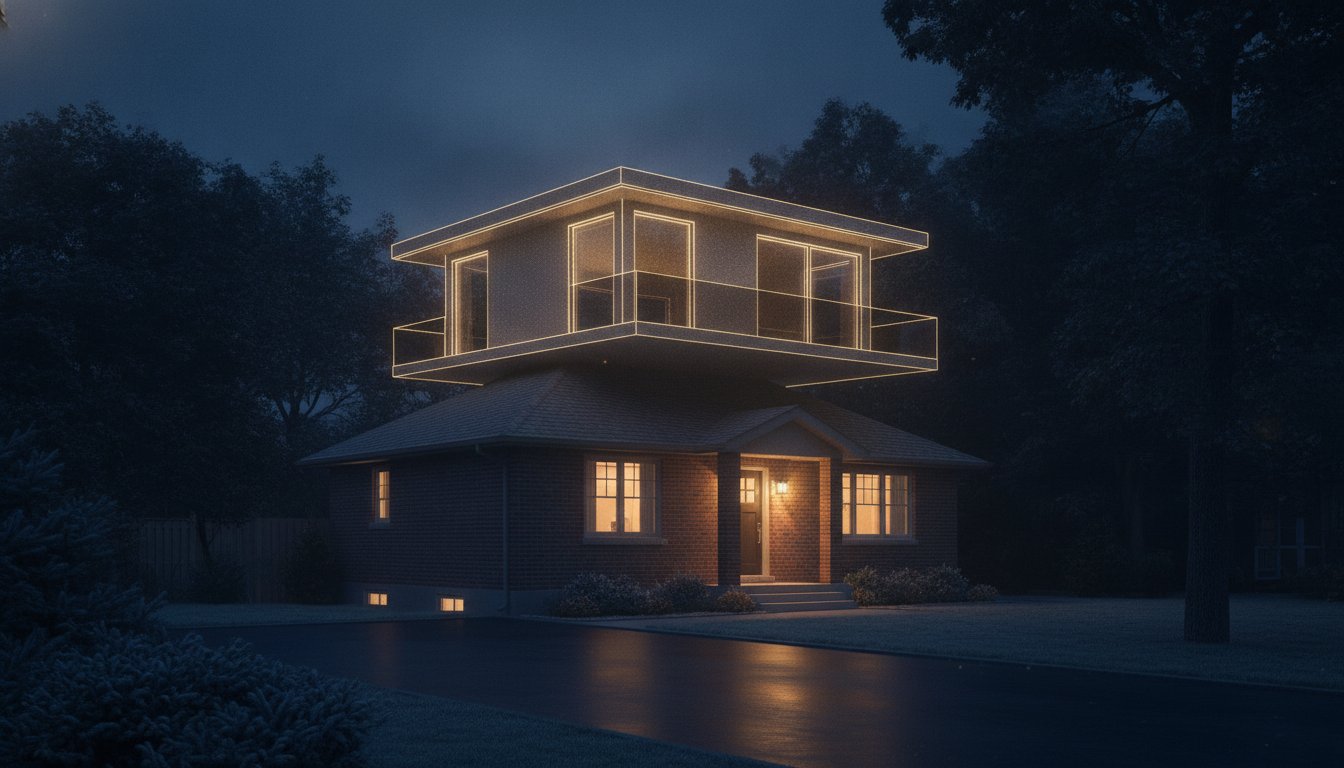
Elevating a bungalow is rarely about simply adding square footage; it is a profound architectural evolution that demands as much structural integrity as it does aesthetic vision. You likely realize that the cost of adding a second story to a bungalow involves far more than just timber and glass. It is a complex investment where the history of your home’s foundation meets the future of your family’s lifestyle. Many homeowners feel a natural anxiety regarding hidden structural requirements or the intricate maze of municipal zoning bylaws. These concerns are valid, yet they shouldn’t overshadow the potential for a sophisticated transformation that preserves the character of your original dwelling while doubling its presence.
This guide provides the clarity you need to navigate the architectural, structural, and financial variables that define a bespoke second-storey addition in the current 2026 market. We will examine how to align your budget with your aspirations, ensure your home’s structural feasibility, and secure a roadmap for a seamless design-led transformation. By understanding the intersection of strategic industry knowledge and creative foresight, you can move forward with the quiet confidence that your investment is grounded in precision and principled craftsmanship.
Key Takeaways
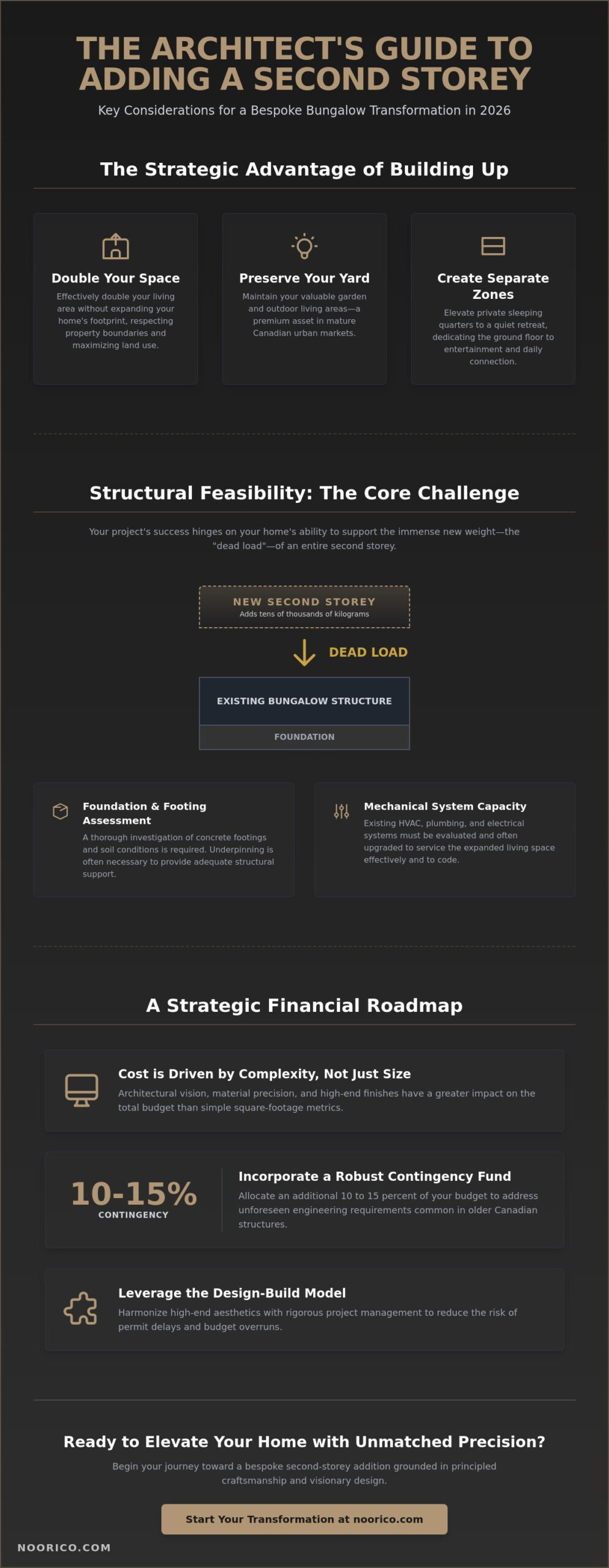
- Evaluate the structural feasibility of your foundation to determine its capacity for the substantial weight of a new upper level.
- Recognize that the total cost of adding a second story to a bungalow is influenced more by architectural complexity and material precision than by simple square-footage metrics.
- Leverage the design-build model to harmonize high-end aesthetics with rigorous project management, reducing the risk of permit delays and budget overruns.
- Prepare a robust financial roadmap by incorporating a 10 to 15 percent contingency fund to handle the unique engineering requirements of older Canadian structures.
- Compare the inherent value of your current land and neighbourhood ties against the investment required for a bespoke vertical transformation.
Understanding the Investment: Why Add a Second Storey to Your Bungalow?
A second-storey addition represents a total vertical expansion of your home’s existing footprint, effectively doubling your living space while respecting the boundaries of your lot. Understanding what constitutes a storey is essential for homeowners who wish to transition from a single-level lifestyle to a more expansive, multi-zoned environment. For many Canadian families, the decision to build up rather than move out is driven by a profound attachment to their current neighbourhood. Mature trees, established schools, and deep community ties often outweigh the convenience of purchasing a newer, larger home elsewhere. When you evaluate the total cost of adding a second story to a bungalow, you aren’t just paying for construction; you’re investing in the preservation of your location while securing the space your future requires.
The traditional bungalow layout often forces a compromise between public and private life. By elevating the sleeping quarters to a new level, you create a sophisticated separation of zones. The ground floor can then be reimagined as a dedicated sanctuary for entertaining and daily connection, while the upper level provides a quiet, private retreat. This architectural evolution ensures your home functions with the elegance and logic of a modern custom build.
The Financial Logic of Vertical Expansion
Expanding vertically is a strategic choice that protects your most valuable outdoor assets. Unlike ground-floor extensions that consume garden space and patio areas, a second-storey addition maintains your existing yard. This preservation is vital for property value in premium urban markets where green space is at a premium. In mature Canadian residential districts, the return on investment for high-end vertical renovations remains robust. Building up also helps you avoid the restrictive setback requirements and zoning bylaws that frequently complicate horizontal additions. It’s a precise way to maximize your land’s potential without encroaching on the footprint that defines your property’s character.
Architectural Integrity and Home Value
A successful addition must never look like a secondary thought. Achieving architectural continuity requires a bespoke design approach that respects the proportions and styling of the original structure. The cost of adding a second story to a bungalow should always account for the high-value materials and precise detailing needed to ensure the new level feels like an original component of the home. A visionary partner looks beyond the framing to consider how the interior styling and exterior finishes will harmonize. This dedication to seamless transition preserves your home’s curb appeal and ensures the new structure complements the existing streetscape. When design and execution are perfectly aligned, the result is a home that feels both refreshed and timelessly established.
Structural Feasibility: The Engineering Factors That Dictate Your Budget
Before an architect draws a single line, a structural engineer must validate the existing bones of your home. Their assessment dictates the technical boundaries of your vision. One of the most critical concepts they evaluate is the “dead load.” This refers to the permanent, static weight of the new structure, including walls, roof, and high-end finishes. In a typical vertical expansion, this can add tens of thousands of kilograms to your existing foundation. This weight must be transferred safely to the soil beneath your property. If your current HVAC or plumbing systems lack the capacity to serve an entire new level, these essential upgrades will integrate into the total cost of adding a second story to a bungalow. Identifying these requirements early prevents the disruption of your financial roadmap during the construction phase.
Foundation and Load-Bearing Requirements
Older bungalows often sit on block foundations that weren’t designed for the rigours of vertical expansion. While modern poured concrete offers more resilience, both types require a thorough investigation of the footings. If the soil or the existing concrete is inadequate, underpinning becomes necessary. This process involves strengthening the foundation from beneath to ensure it can support the new elevation. This reinforcement is often the most significant hidden variable in your project budget. If you are considering financing your second storey addition through specialized improvement programs, these structural necessities are frequently eligible for coverage, provided they meet the updated 2025 National Building Code of Canada standards.
First-Floor Framing and Structural Integrity
Vertical integrity also depends on the capacity of your first-floor walls. Standard 2×4 studs may require reinforcement or replacement with 2×6 lumber to carry the increased load. Floor joists often need “sistering,” which involves attaching new timber alongside existing beams to increase their strength and reduce deflection. In many high-end transformations, we utilize steel beams to create the expansive, open-concept spaces that modern luxury demands. Understanding these framing requirements allows for a more accurate assessment of the cost of adding a second story to a bungalow. Partnering with a team that offers integrated project management ensures that these engineering realities are seamlessly woven into your design from day one. Structural stability is the non-negotiable foundation of luxury design.
Breaking Down the 2026 Costs: From Architectural Design to Final Finishes
Navigating the 2026 financial landscape requires a departure from the generic estimates found in outdated online calculators. The total cost of adding a second story to a bungalow is defined by a confluence of material innovation, skilled labour rates, and the implementation of the NBCC 2025 energy standards. Relying on a “price per square foot” metric is often misleading for bespoke projects. This simplified figure fails to capture the intricate structural integration required to marry a new elevation with an existing foundation, nor does it reflect the premium finishes that define a high-end home. A visionary approach treats the budget as a tool for precision, ensuring every dollar is allocated to enhance both longevity and aesthetic value.
Soft Costs: Architectural Design and Municipal Permits
Soft costs, which encompass architectural design, engineering, and municipal permits, typically represent 10 to 20 percent of your total investment. In 2026, navigating complex zoning bylaws and the updated Ontario Building Code necessitates a high level of professional oversight. For instance, City of Toronto building permit fees are currently set at $18.56 per square metre, with additional costs for HVAC and plumbing reviews. Investing in detailed architectural drawings and comprehensive site surveys during the design phase is a strategic move. It minimizes the risk of costly variations during the construction journey and provides a clear roadmap for municipal approval. This early dedication to planning ensures that the aesthetic vision remains uncompromised by regulatory constraints.
Hard Costs: The Construction and Finishing Phases
Hard costs cover the physical transformation of the property, beginning with the “shell”—the removal of the existing roof, framing the new level, and installing high-performance glazing. The 2026 market has seen a stabilization in lumber prices, yet the cost of specialized materials like structural steel and triple-pane glazing remains a significant factor. These elements are essential for achieving the large spans and thermal performance required by modern architectural standards. Integration is the next vital phase. This includes the installation of a new staircase, extending HVAC ducting, and upgrading the electrical service to support modern lifestyles.
The final tally is significantly influenced by your choice of interior finishes. While builder-grade materials may seem cost-effective, custom architectural details ensure the addition matches the sophisticated elegance of your original home. High-value choices often include:
- Wide-plank European oak flooring for a timeless, grounded feel.
- Bespoke cabinetry and millwork that maximizes the utility of the new space.
- Integrated smart home technology and automated lighting systems.
- Architectural glazing that prioritizes natural light and energy efficiency.
When you evaluate the cost of adding a second story to a bungalow, you must also consider the labour-intensive nature of custom construction. Skilled trades are in high demand across Canada, and their expertise is what ensures your home addition is executed with uncompromising precision.
Managing the Renovation Journey: How to Mitigate Financial Risk
Managing a vertical expansion requires more than just a builder; it demands a strategist. Because a second-storey addition exposes the core of your home to the elements, the timeline must be managed with absolute precision. A project of this magnitude typically spans several months, during which time you must account for temporary living expenses. These costs are often overlooked, yet they’re integral to the total cost of adding a second story to a bungalow. To safeguard your investment, we recommend maintaining a contingency fund of 10 to 15 percent. This reserve isn’t a sign of poor planning; it’s a mark of financial maturity, especially when dealing with the structural surprises that older Canadian foundations can hide. A dedicated project manager acts as your advocate, coordinating trades and preventing the delays that often lead to budget inflation.
The Design-Build Advantage
The Design-Build model offers the most efficient path to cost control by providing a single point of accountability. In this integrated approach, the architectural vision is constantly weighed against construction reality. This synergy prevents “scope creep,” where aesthetic desires outpace the project’s financial boundaries. At NOORICO, our process ensures that every design choice is vetted for its impact on the final build before construction begins. This unified workflow eliminates the friction often found between independent architects and contractors, keeping your project on track and within the defined parameters of your investment. If you’re ready to begin your transformation with a team that prioritizes both elegance and execution, you can explore our home additions services to see how we manage complex builds.
Navigating Zoning and Committee of Adjustment
Securing municipal approval is a critical hurdle that requires professional representation. If your addition requires variances for height or density, appearing before the Committee of Adjustment can be a daunting process. Expert planning minimizes the risk of permit denials that could stall your project for months. Beyond the technical requirements, neighbourhood consultation is a vital component of a major renovation. A visionary partner manages these community relationships, ensuring your home’s evolution is met with support rather than resistance. This level of foresight is essential for maintaining the 2026 project timelines and ensuring the cost of adding a second story to a bungalow remains predictable and transparent throughout the journey.
Elevating Your Home with NOORICO: The Bespoke Addition Advantage
A vertical transformation is more than a construction project; it’s the creation of an enduring legacy for your family. When you move beyond the initial cost of adding a second story to a bungalow, you begin to see the potential for a home that reflects your highest aspirations. NOORICO serves as a visionary partner for homeowners who seek to transcend the ordinary. We don’t merely add rooms; we redefine the architectural narrative of your property. With a 25-year history of delivering sophisticated residential transformations, our firm provides the quiet confidence that your significant investment is in principled, expert hands. By viewing your addition as a legacy project, you ensure that every design choice contributes to a home that will remain relevant and beautiful for decades.
Our Integrated Approach to Luxury Additions
NOORICO utilizes a multi-disciplinary approach that pairs architectural foresight with rigorous project management to ensure a seamless execution. Our team provides persistent dedication to every phase of the build, from the first structural assessment to the final interior styling. We believe that ethical standards and transparent financial reporting are the pillars of a successful partnership. This accountability allows you to remain informed and reassured as we navigate the complexities of your build. Our established expertise in bespoke home additions and major renovations allows us to ground high-level design in the practical grit of superior construction. This synergy ensures your project stays on track while maintaining the uncompromising quality your home deserves.
From Initial Concept to Final Construction
The NOORICO promise is a steady, structured journey from your initial dream to a completed masterpiece. We realize that the cost of adding a second story to a bungalow represents a major life milestone, and we treat that responsibility with the utmost precision. Our meticulous attention to detail ensures a superior creative achievement that harmonizes perfectly with your existing structure. We don’t just build spaces; we build enduring professional bonds with our clients through reliable execution and sophisticated design. If you’re ready to explore the full potential of your property, we invite you to schedule a consultation with our visionary team. Let’s begin the process of elevating your bungalow into a bespoke sanctuary that reflects your unique vision and lifestyle.
Realizing Your Architectural Vision
Elevating your home is a profound commitment to both your family’s future and the architectural integrity of your property. We have explored how a successful vertical expansion depends on rigorous structural engineering and a strategic understanding of the 2026 financial landscape. You now recognize that the cost of adding a second story to a bungalow is an investment in bespoke craftsmanship that doubles your living environment without compromising your land. Achieving this requires a partner who balances the practical grit of project management with sophisticated design foresight.
With over 25 years of established expertise in custom residential builds, NOORICO offers an integrated design-build model that ensures a seamless project execution. Our specialized focus on high-quality architectural transformations allows us to turn complex structural requirements into elegant, enduring masterpieces. We invite you to begin your home transformation with a NOORICO consultation to discover the full potential of your property. Trust in a seasoned professional who remains dedicated to the enduring bonds built through exceptional work. Your home is ready for its next chapter; we’re here to ensure it’s written with precision and grace.
Frequently Asked Questions
Is it cheaper to add a second story or build an extension on the ground floor?
Vertical additions are generally more cost-effective per square foot because they utilize the existing foundation and roof footprint rather than requiring new excavation and concrete work. While the total cost of adding a second story to a bungalow includes structural reinforcement, it preserves your valuable yard space. Ground-level extensions often face higher costs related to land preparation and can be restricted by municipal setback bylaws.
How long does it typically take to complete a second-storey addition on a bungalow?
A bespoke vertical expansion usually requires six to nine months of active construction to reach completion. This timeline accounts for the removal of the original roof, structural framing, and the installation of high-end interior finishes. Meticulous project management is essential during this period to coordinate specialized trades and ensure that the architectural vision is realized without unnecessary delays or disruptions to the schedule.
Can I live in my house while the second floor is being added?
We strongly recommend that homeowners relocate during the construction phase of a second-storey addition. The process involves the complete removal of your home’s roof, which leaves the interior vulnerable to the elements and necessitates the disconnection of major utilities. Vacating the property ensures your family’s safety and comfort while allowing our team to maintain a high-intensity, uncompromising pace toward the final transformation.
Do I need to upgrade my electrical panel when adding a second storey?
Most bungalows require an upgrade to a 200-amp electrical panel to safely support the increased load of an additional floor. Modern building codes and luxury amenities, such as integrated smart home systems and advanced HVAC units, demand significantly more power than original single-storey configurations. This upgrade is a vital step in ensuring your home’s infrastructure is both reliable and capable of supporting future technological advancements.
What happens if my foundation cannot support the weight of a new floor?
If a structural engineer determines the foundation is inadequate, we utilize underpinning to reinforce the base of the home. This process involves extending the depth or breadth of the existing footings to safely distribute the new load into the soil. While this adds to the cost of adding a second story to a bungalow, it provides the deep-seated reliability required for a permanent, multi-level architectural evolution.
Are there specific zoning restrictions for adding height to a bungalow in Canada?
Canadian municipalities enforce strict zoning bylaws that govern maximum building height, floor space index, and shadow impacts on neighbouring properties. These regulations vary by province and city, often requiring a formal application to the Committee of Adjustment for specific variances. Professional architectural oversight is critical to navigate these legal intersections and ensure your project remains compliant with local planning standards.
Will adding a second storey significantly increase my property taxes?
An increase in property taxes is a standard outcome of a major renovation that adds significant square footage and market value. Municipalities reassess the value of your home following the completion of the project to reflect its enhanced status and improved features. This adjustment is a reflection of the enduring financial equity you’ve built through a sophisticated and high-value residential transformation.
How do I choose the right architectural style for my bungalow addition?
Choosing the right style requires a balance between the original structure’s character and your modern lifestyle requirements. We focus on architectural continuity by mirroring existing proportions and selecting premium materials that complement the original streetscape. A visionary partner ensures the new level feels like an intentional, elegant evolution of the home’s history rather than a disconnected or tacked-on addition.